


Brief History of Phi Phi Island
A look into the rich history, striking geography, and unique culture of this stunning Thai archipelago in the Andaman Sea.
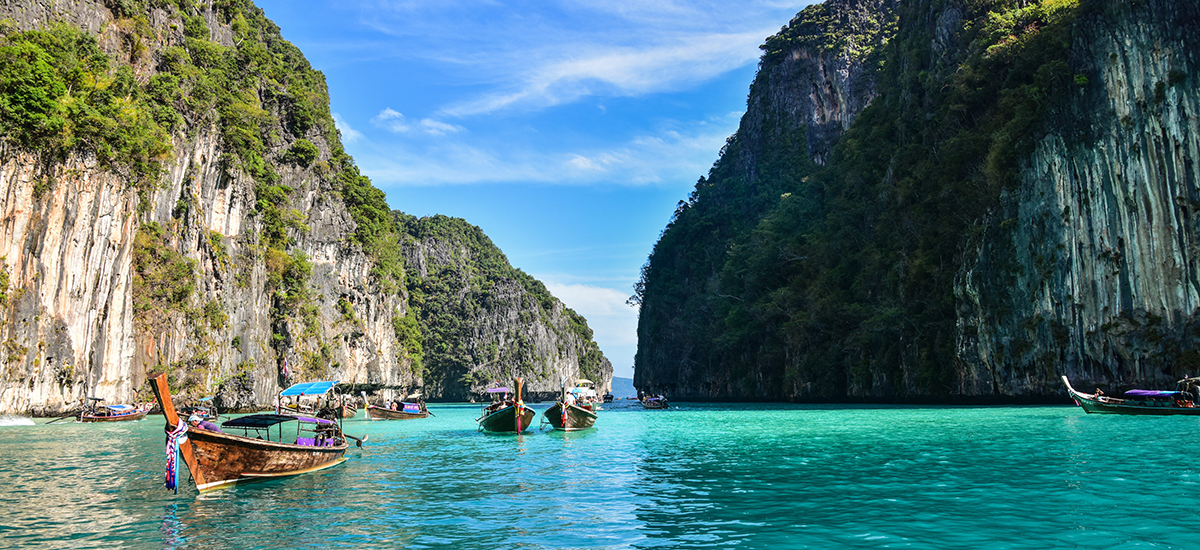
Geography and Name Origin
The Phi Phi Islands are a beautiful island group situated in southwestern Thailand, located between the large island of Phuket and the west coast of Krabi, right in the Andaman Sea. Administratively, these islands belong to Krabi province.
The name “Phi Phi” (pronounced “pee-pee”) originates from Malay. The original name for the islands was Pokok Api-Api, meaning “fiery tree” or grey mangrove, a plant species commonly found throughout the island group.
The Archipelago's Key Features
Ko Phi Phi Don is the largest island of the group and serves as the most populated center. However, the beaches of the second largest island, Koh Phi Phi Leh, are highly visited by tourists due to their stunning natural characteristics.
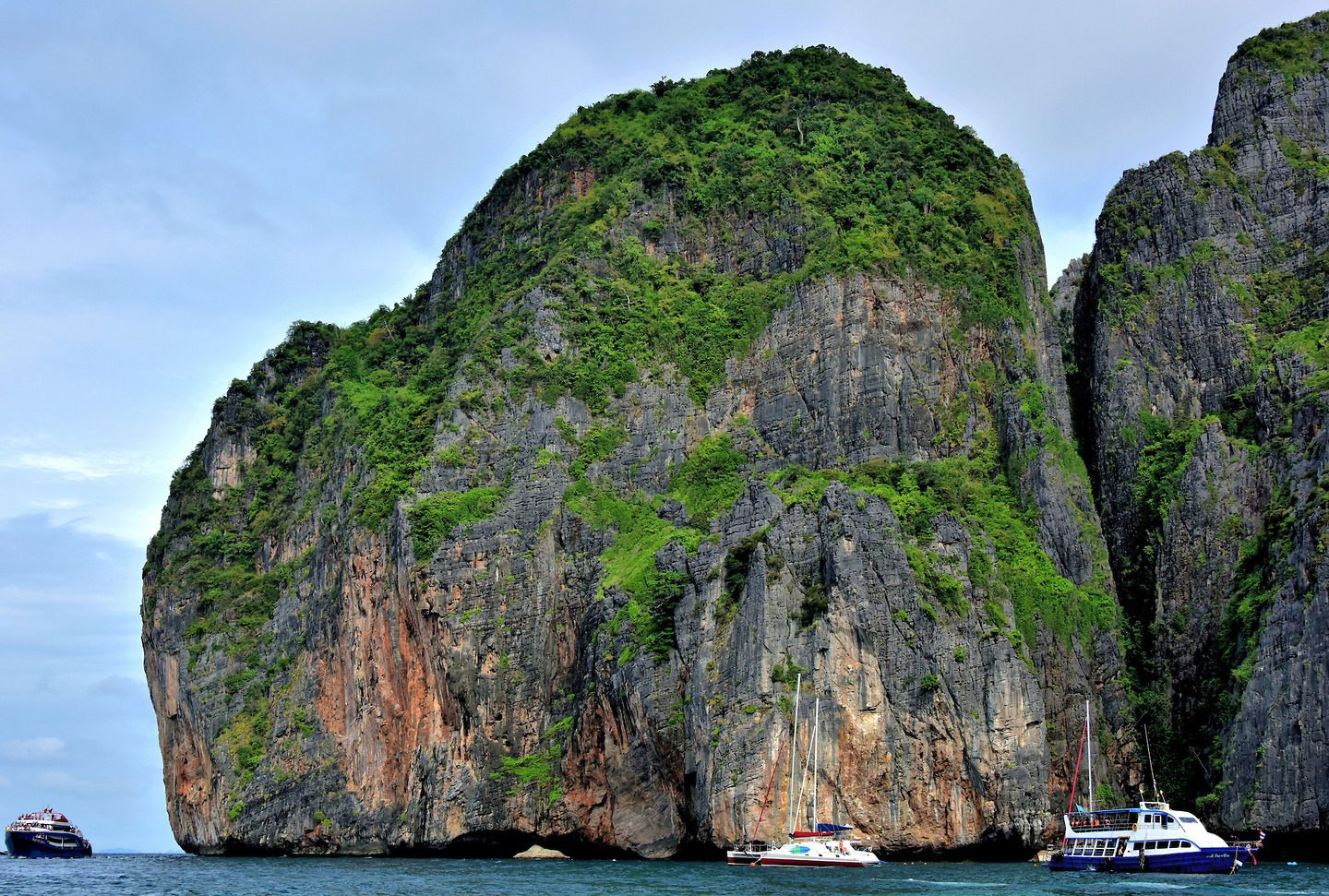
A representation of the iconic limestone cliffs of Phi Phi Leh.
Population and Ancient Roots
Phi Phi Don was initially settled by Muslim fishermen during the late-1940s before transitioning into a coconut plantation. Historically, the Thai core population of Phi Phi Don remains over 80% Muslim. However, when counting all laborers, especially those migrating from the northeast of Thailand, the actual population today leans more Buddhist. The population was recorded to be between 2,000 and 3,000 people in 2013.
Based on archaeological findings, the area is believed to be one of the oldest communities in Thailand, with evidence dating back to the prehistoric period. The entire Krabi province itself may have derived its name from the word “Krabi,” meaning “sword.” This is linked to a local legend that suggests an ancient sword was unearthed prior to the founding of the city.