
Gemini_Generated_Image_3w66l33w66l33w66

mark.dev

EXERCISE and Rhabdomyolysis

Rhabdomyolysis

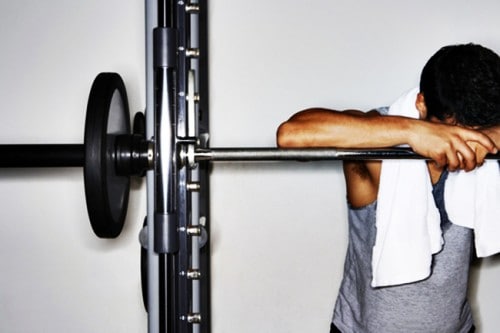
HEALTH & FITNESS WARNING Too Much EXERCISE Could Harm You Understanding Rhabdomyolysis: The danger of pushing your limits too fast. HEALTH & FITNESS WARNING Too Much EXERCISE Could Harm You Understanding Rhabdomyolysis: The danger of pushing your limits too fast. What is Rhabdomyolysis? Rhabdomyolysis is the destruction of skeletal muscles, caused by any mechanism that results in injury to myocytes (a type of cell found inside the muscle tissue) and their membranes (or lining). When the muscles break down, it releases myoglobin, an overwhelming amount of which may poison the kidney, causing kidney damage. It had been initially associated almost exclusively with traumatic conditions or injury, but non-traumatic causes are now five times more frequent. Some non-traumatic causes include abuse of alcohol and illicit drugs, and other medical conditions. Causes and Risk Factors ► Strenuous Exercise: Rhabdo is increasingly seen in people engaged in intense workouts like spinning, weightlifting, running, and high-intensity interval training (HIIT). ► Beginners at High Risk: While regular exercisers can develop it by pushing themselves too hard, it is significantly more prevalent in beginners who start new routines too aggressively. ► Non-Traumatic Factors: Non-exercise causes, which are five times more frequent than traumatic injuries, include alcohol/illicit drug abuse, and other specific medical conditions. Recognizing the Symptoms Non-Specific Indicators Many initial symptoms can be mistaken for simple post-workout soreness or the flu, making recognition difficult. ✓Severe Muscle Pain (myalgia) ✓Muscle Swelling and Weakness ✓Unexplained Fever or Fatigue ✓Nausea, Vomiting, or Confusion 🚨 CRITICAL SIGN The most definitive symptom that usually prompts a patient to seek consultation is a visible change in their urine. BROWN-RED URINE This is caused by the presence of myoglobin (from the damaged muscles) being filtered by the kidneys. ⚠️ Dreaded Complications Acute Kidney Failure: May require dialysis or a kidney transplant. Hyperkalemia: Too much potassium in the blood, leading to electrical abnormalities in the heart, and potentially death. 5 Critical Prevention Steps While pushing limits for fitness is commendable, always remember your body’s limitations. Transforming your health is possible without causing injury. 1. Start Slow Gradual Progression Be slow and gradual when beginning a new type of workout routine or increasing intensity. Give your muscles time to adapt. 2. Communicate Inform Your Instructor Tell your gym instructor or trainer that you are a “newbie” or returning after a long break. They can assist you in modifying your workout. 3. Hydrate Stay Ahead of Thirst Hydrate consistently before, during, and after exercising. Dehydration significantly increases the risk of muscle breakdown. 4. Avoid NSAIDs Skip Pain Relievers Avoid taking Non-Steroidal Anti-Inflammatory Drugs (NSAIDs) for muscle pain, as these may exacerbate potential kidney damage. 5. Abstain from Alcohol No Alcohol and Exercise Alcohol is a direct cause of rhabdomyolysis and contributes to dehydration, worsening potential kidney injury. Always do things in moderation. If you suspect rhabdomyolysis (especially if you notice brown-red urine after a strenuous workout), seek emergency medical attention immediately. Too Much EXERCISE could harm you Rhabdomyolysis is the destruction of skeletal muscles, caused by any mechanism that results in injury to myocytes (a type of cell found inside the muscle tissue) and their membranes (or lining). When the muscles break down, it releases myoglobin, an overwhelming amount of which may poison the kidney, causing kidney damage. It had been initially associated almost exclusively with traumatic conditions or injury, but non-traumatic causes are now five times more frequent. Some non-traumatic causes include abuse of alcohol and illicit drugs, and other medical conditions. Rhabdomyolysis due to exercise Recently, rhabdomyolysis is seen in people engaged in strenuous activities or exercises, like spinning, weightlifting, running, and other high-intensity training. Symptoms are non-specific. It may include muscle pain, swelling, and weakness, fever, fatigue, nausea, and confusion. A brown-red urine may be the symptom that prompts a patient to seek consult. Worst-case scenarios for rhabdomyolysis is kidney injury or kidney failure (requiring the patient to go on dialysis or necessitate the need for a kidney transplant), and the dreaded hyperkalemia (too much potassium in the blood) leading to electrical abnormalities in the heart and even death. Although rhabdomyolysis may occur in people who regularly work out if they push themselves too hard during an exercise, it is more prevalent in beginners. How to prevent rhabdomyolysis It is important to be slow and gradual when beginning a new type of workout routine. Tell the instructor that you are a “newbie”, to assist you in your workout. Hydrate before, during and after exercising. Avoid taking Non-Steroidal Anti-Inflammatory Drugs (NSAIDs) as pain relievers. Do not drink alcoholic beverages when engaged in these exercises because aside from it being a direct cause of rhabdomyolysis, it may also cause dehydration and may lead to further kidney damage. Most of us would want to push ourselves to the limit to be a healthier individual. However, bear in mind that your body also has limitations. Always do things in moderation. Transforming to a healthier and fitter you is possible without causing yourself injury or harm. References: Why intense workouts are leading to a life-threatening condition by Daniella Emanuel, CNN

Rhabdomyolysis Read More »

DANGERS OF SELF MEDICATING

SELF MEDICATION

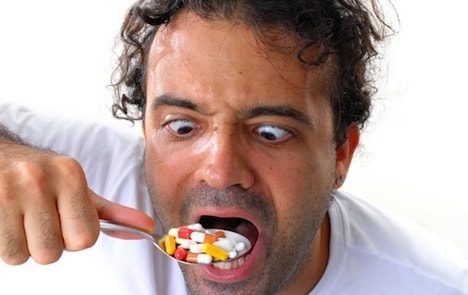
DANGERS OF SELF MEDICATING !!! With the wealth of information available to us in just a few clicks, it’s tempting to self-medicate. When going to a doctor means having to sit in a waiting room and shell out money for a brief check-up, turning to the internet or TV indeed seems to be a smart decision. However, self-medication is not completely risk-free. Surfing online may work for restaurant recommendations but where one’s health is concerned, you may want to think twice before resorting to Dr. Google. “Self-medication simply refers to treating one’s symptoms with drugs and/or supplements without proper medical advice and supervision. These non-prescription or over-the-counter medications can be readily obtained at a pharmacy without a doctor’s prescription,”. The advantage of self-medication is that it is speedy, accessible, and certainly more convenient than spending time and money to consult at a clinic. According to the World Health Organization (WHO), this is especially true in economically deprived communities that have limited access to healthcare services. Responsible self-medication requires a good amount of research and doing so reflects the proactive attitude towards health that prevails today. We can all benefit from being well-informed about proper health care but one should be wary and critical of the information that can be obtained from social media. “We encounter a lot of patients who suffer from the adverse effects of non-prescription medications and supplements that could result in adverse reactions or even severe health complications,”. “There is always a risk of assuming an incorrect diagnosis for one’s symptoms since there was no consultation with a professional; a delay in seeking medical advice could potentially worsen one’s condition. By self-medicating, you could be subjecting yourself to unnecessary medication that could be harmful to your health, causing you to suffer longer and missing your vacation days. “Taking medication without proper guidance could mean inappropriate use, taking the wrong dosage and even an incorrect manner of administration,. “The wrong medicine can transform a minor health issue into a major health problem. Or a potentially severe condition can become amplified and have a disastrous outcome.” Though being knowledgeable about appropriate medication can be beneficial, knowing when to consult a physician may be even more favorable in the long run. Be properly informed about how a medicine should be taken, the duration one should take it, at what dosage, it’s contraindications to other physical conditions, and what possible side effects and reactions it may have with other medications. When in doubt, seek the advice of a medical expert.

SELF MEDICATION Read More »

Monkey

RABIES

Monkey beach, home of the Macaque monkeys!!!! First Aid and Treatment Guide URGENT TRAVEL WARNING: Monkey Beach Monkey bites and scratches are a common occurrence in high-traffic tourist areas like Monkey Beach on Phi Phi Island. Please be extremely cautious and observe the macaques from a safe distance, as they are wild animals who often expect food from visitors. Should you experience a bite or scratch, the World Med Center is fully prepared to offer immediate, professional assessment and care, including the rabies vaccine, allowing you to quickly receive treatment and return to enjoying your holiday. 📄Travel Context: Visiting Phi-Phi’s Monkey Beach Monkey Beach is one of the must-see destinations on Phi-Phi Island. This simply stunning 150 m-long strip of white powdery sand, surrounded by emerald clear water, is easily accessible by longtail boat or sea kayak (a 40-minute row from Tonsai Bay). It is also known as a top-class snorkeling spot. While enjoying the scenery, visitors should be aware of the resident Macaque monkeys. Due to historical feeding by tourists, the monkeys may approach visitors expecting food. It is essential to observe the monkeys from a respectful distance as they are wild animals. Although rare when proper distance is maintained, contact incidents like biting or scratching sometimes occur. Being prepared ensures your trip remains enjoyable. For your safety and peace of mind: Should an incident occur, quick and appropriate action is key. Monkey bite is one of the most common incident that you might encounter during your stay in Phi-Phi island. There are many excursions for a very cheap price, that will take you to see the beautiful Monkey beach. and it would be very hard to resist. It is a simply stunning 150 m-long strip of white powdery sand surrounded by emerald clear water. Different means are available for you to get to Monkey Beach; Hiring a longtail boat near the pier station at the Tonsai bay is the easiest way to do it But if you are not afraid to make effort, you can rent a sea kayak and row the 40 minute journey by yourself, or with a friend. Monkey beach is not only famous for its powdery white sand and emerald clear water but its other point of attention is its top class snorkeling spot. The shallow waters surrounding the beach really gives you the feeling of swimming in an aquarium. Most of the tourist visiting the beach was not warn of not feeding the monkeys, so they now expect to get something to eat when they see visitors coming. Beware of these wild animals behavior and do not get too close to them. Biting and scratching are common things to happen and you certainly do not want to visit World Med Center to get rabies vaccine during your holiday. But in the event that you got bitten by the monkey, Kindly follow these World Med guidelines; First Aid Monkey Bite Wound

RABIES Read More »